hair color ideas
15 Hair Color Ideas to Refresh Your Look With Style and Confidence
Hair color is more than a beauty trend. It is a personal style choice that can highlight your features, express your personality, and give your overall appearance a fresh new feel. From soft, natural-looking highlights to rich brunette shades and bold fashion colors, the right hair color can make a familiar hairstyle feel completely different. Today, hair color ideas go far beyond choosing between blonde, brown, and black. Modern coloring techniques create depth, dimension, and beautiful color transitions that look sophisticated without appearing overly dramatic. Whether you prefer a subtle change or a noticeable transformation, there is a shade and technique to suit your style. If you are planning your next salon visit or simply looking for inspiration, these 15 hair color ideas offer a mix of timeless classics, modern trends, and distinctive looks worth considering.
1. Chocolate Brown for a Rich, Elegant Look
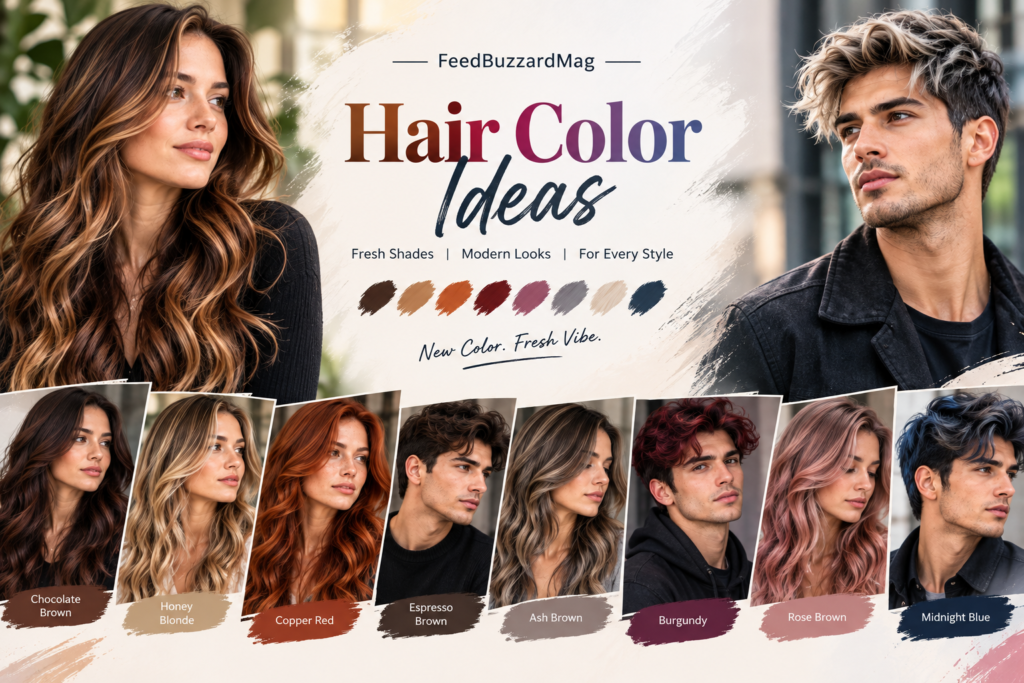
Chocolate brown is an excellent choice for anyone who wants a polished appearance without moving too far away from a natural hair color. Its deep, warm tones can add visual richness and make hair appear glossy and dimensional. This shade works particularly well on medium to dark hair and can be customized with lighter brown accents for extra depth. It is also a versatile option for people who prefer understated beauty over dramatic color changes.
Best for: A sophisticated everyday look, especially if you love rich brunette shades.
2. Honey Blonde for Soft, Sunlit Dimension
Honey blonde combines golden warmth with a soft blonde finish. Instead of creating a very light, icy appearance, this shade offers a sunlit effect that can brighten the overall look. It can be applied throughout the hair or introduced through highlights around the face. Honey blonde is especially attractive when blended with darker roots, creating a gradual transition that looks more natural as the hair grows.
Best for: Anyone looking for a warm blonde shade with a soft, radiant finish.
3. Caramel Balayage for Natural Movement
Caramel balayage remains a beautiful option for people who want dimension without committing to a single all-over color. The technique places lighter caramel tones strategically through the hair, creating a graduated effect rather than a uniform finish. On a dark brunette base, caramel pieces can create contrast while keeping the overall look balanced. The placement can be subtle or more pronounced, depending on your preferences. Another advantage is that balayage can be customized to your haircut, whether you have long waves, a shoulder-length cut, or a layered hairstyle.
Best for: Brunettes who want warmth, movement, and a softer grow-out.
4. Espresso Brown for a Modern, Minimalist Style
Espresso brown is a deep, dark brunette shade inspired by the richness of coffee. It offers a sleek, refined appearance for people who enjoy dark hair but want a more deliberate, polished finish. Unlike flat-looking dark colors, a professionally formulated espresso shade can reveal subtle brown undertones under different lighting. Pairing it with a glossy finish can make straight hair look especially sleek and waves appear more defined.
Best for: Lovers of minimalist fashion, elegant hairstyles, and deep brunette colors.
5. Copper Red for a Bold Yet Wearable Transformation
Copper red brings together orange, red, and golden tones to create a vibrant, eye-catching shade. Depending on the formulation, it can appear bright and fiery or muted and earthy. A soft copper is a good starting point if you want something different without choosing an extremely vivid red. Deeper copper shades can also create a dramatic look while maintaining a sophisticated feel. Keep in mind that red and copper pigments can fade relatively quickly. Color-safe shampoo, reduced heat styling, and appropriate salon maintenance can help preserve their vibrancy.
Best for: People who want a warm, expressive hair color with personality.
6. Mushroom Brown for a Cool-Toned Finish
Mushroom brown is a muted brunette shade that blends cool brown, beige, and sometimes subtle ash tones. Its understated finish makes it an appealing alternative to traditional golden or caramel colors. This shade is particularly attractive for people who prefer neutral or cool-toned hair colors. It can also be customized with fine highlights to prevent the result from looking too flat. Because the final tone depends on your starting color, your stylist may recommend a toner or lightening process to achieve the desired effect.
Best for: A modern, understated look without strong golden or copper undertones.
7. Burgundy for Deep, Dramatic Color
Burgundy is a rich red-violet shade that brings depth and character to darker hair. It can look almost like deep brown indoors while revealing wine-colored reflections in brighter light. If you prefer subtle color, consider burgundy highlights or a dark cherry-brown blend. For a more noticeable transformation, a fuller burgundy application creates a stronger statement. This shade is also a useful option for anyone who wants to experiment with red without choosing a bright orange-based copper.
Best for: A dramatic, elegant appearance with a hint of red-violet color.
8. Beige Blonde for a Balanced, Natural Effect
Beige blonde sits between warm golden blonde and cooler ash blonde. The result is a balanced shade that can feel soft and modern without looking excessively yellow or silver. It works beautifully with blended roots and fine highlights, particularly when the goal is a dimensional blonde rather than a single flat color. A professional colorist can adjust the beige tone to complement your existing hair color and desired finish.
Best for: Those seeking a refined blonde with a neutral appearance.
9. Rose Brown for a Subtle Creative Twist
Rose brown combines brunette tones with delicate pink or rose reflections. Unlike bright pink hair, this color keeps a natural-looking brown foundation while adding a distinctive creative element. The rose tones may appear more visible in sunlight, depending on the formula and your base color. This makes the shade a good choice for people who want something unusual but still relatively understated. Ask your stylist whether a rose-brown gloss or a more permanent color service would best suit your hair and maintenance preferences.
Best for: Anyone who enjoys soft, creative colors without a fully vivid look.
10. Face-Framing Highlights for an Instant Refresh
Face-framing highlights focus lighter pieces around the front of the hair. They can be paired with a darker base, balayage, or traditional highlights to create a customized look. The result depends heavily on placement. Fine, blended pieces create a subtle effect, while wider or brighter sections produce a stronger contrast. This approach can refresh your hairstyle without coloring every section of your hair. However, the ideal shade and placement should be chosen with your haircut, natural color, and preferred level of contrast in mind.
Best for: Anyone who wants a noticeable update without changing their entire hair color.
11. Ash Brown for a Cool and Contemporary Look
Ash brown features cool, smoky undertones that reduce the appearance of strong red or orange warmth. It can range from light, muted brown to deep, sophisticated brunette. This shade is a good alternative for people who find golden browns too warm. However, the right formulation matters because overly cool pigments may look dull on some hair types or fade unevenly. A colorist can assess your starting shade and determine whether a gloss, highlights, or an all-over color will deliver the best result.
Best for: A cool-toned, modern brunette style.
12. Golden Bronde for the Best of Both Worlds
Bronde blends brown and blonde to create a color that falls between the two. Golden bronde introduces warm, light-reflecting tones while retaining enough brunette depth to keep the look balanced. It is especially appealing to people who are curious about going blonde but do not want to lose the richness of their natural brown hair. A blended bronde can include darker roots, golden mid-lengths, and brighter ends. This layered color placement helps the result appear dimensional rather than uniform.
Best for: Brunettes who want a lighter look without becoming fully blonde.
13. Midnight Blue-Black for a Striking Finish
Midnight blue-black combines the depth of black hair with subtle blue reflections. In low light, it may appear almost black, while brighter lighting can reveal a cooler, more distinctive finish. This is a strong option for people who enjoy dark hair and want something different from a standard black shade. The effect can be created through a carefully selected color formula rather than an obviously bright blue application. Before choosing a very dark permanent color, consider future color changes. Removing dark artificial pigment can be difficult and may require several salon appointments.
Best for: A dramatic, sleek appearance with a cool-toned twist.
14. Peach Blonde for a Soft Fashion Color
Peach blonde mixes light blonde with delicate peach, pink, and warm apricot tones. The finished color can range from a barely noticeable pastel glow to a more visible peachy shade. It is a creative option for people who want to experiment with fashion colors while keeping the overall appearance light and soft. Achieving a clean peach result may require a sufficiently light base, so the process can be more demanding on naturally dark hair. A strand test and professional assessment are worthwhile before lightening.
Best for: Those who enjoy playful, contemporary color with a soft finish.
15. Lived-In Blonde for Effortless Dimension
Lived-in blonde uses a combination of root depth, blended highlights, and tonal variation to create a blonde look that grows out more gradually than a uniform root-to-tip application. The technique can be adapted to different blonde shades, including beige, honey, and cooler neutral tones. It is particularly useful if you want lighter hair but prefer not to visit the salon for frequent root touch-ups. Although the root area may require less maintenance, blonde lengths still need care to protect their condition and maintain the desired tone.
Best for: People who want a dimensional blonde style with a softer grow-out.
How to Choose the Right Hair Color for You
The best hair color is not necessarily the most popular shade on social media. It is the one that suits your preferences, natural starting color, hair condition, and willingness to maintain it. Consider these factors before making your decision.
Understand Your Skin’s Undertone
Skin undertones are often described as warm, cool, or neutral. Warm shades such as honey, caramel, and copper may appeal to people who enjoy golden color, while ash brown, mushroom brown, and some beige blondes offer cooler alternatives. Neutral undertones can often work with a wider variety of shades. However, these are general guidelines rather than strict rules. Your personal style and the exact shade matter just as much.
Consider Your Natural Hair Color
Your starting hair color affects how easily you can achieve a new shade. Moving from dark brown to chocolate brown may require less processing than changing dark hair to pale blonde or pastel peach. Ask your stylist about the number of appointments, potential damage, and realistic results. If you want to preserve your natural color, balayage, glossing, or subtle highlights may provide a suitable alternative to full coloring.
Think About Maintenance
Different colors require different levels of upkeep.
- Lower-maintenance options: Chocolate brown, espresso brown, and blended balayage.
- Moderate-maintenance options: Face-framing highlights, bronde, and lived-in blonde.
- Potentially higher-maintenance options: Pale blonde, vivid copper, rose shades, and pastel fashion colors.
These categories are approximate. Your root contrast, hair growth, color formula, and desired finish will determine how often you need salon appointments.
Match the Color to Your Lifestyle
If you have a busy schedule, a softly blended color may be more practical than a shade that needs frequent root touch-ups. If you enjoy experimenting with your appearance, a creative shade such as rose brown or peach blonde may be worth the additional care. You should also consider workplace expectations, styling habits, and how much time you want to spend maintaining your color.
Hair Color Care: How to Keep Your Shade Looking Fresh
A beautiful salon result is only the beginning. A suitable care routine can help maintain shine, reduce unnecessary damage, and keep the color looking closer to its intended shade.
Use a color-safe shampoo. Choose products suited to your hair type and color service. Wash as often as your scalp requires, and avoid unnecessarily harsh cleansing products if your color fades easily.
Reduce excessive heat styling. Frequent high-temperature styling can contribute to dryness and breakage. Use a heat protectant and select a temperature appropriate for your hair.
Condition regularly. Colored hair may need extra conditioning, especially after lightening. A suitable conditioner or hair mask can help improve softness and manageability.
Protect your hair from the sun. Strong sunlight may affect both hair condition and color appearance. Consider a hat or hair product designed for UV protection when spending extended periods outdoors.
Follow your stylist’s toner recommendations. Blonde and cool-toned shades may gradually become warmer, while red and copper shades can lose vibrancy. A professional gloss or toner may help refresh the result when needed.
Avoid unnecessary chemical treatments. Lightening, straightening, and permanent coloring can place additional stress on hair. Tell your stylist about previous treatments and discuss a realistic plan before combining services.
Remember that no product can completely prevent fading or guarantee damage-free coloring. Your hair’s condition and the chemical process used will influence the final result.
Frequently Asked Questions About Hair Color Ideas
1. What are some timeless hair color ideas?
Chocolate brown, espresso brown, honey blonde, caramel balayage, and blended bronde are versatile options that can be adapted to many hairstyles and personal preferences.
2. Which hair color looks natural?
Colors close to your natural shade, including chocolate brown, soft brunette glosses, and subtly blended highlights, can create a natural-looking result. The best choice depends on your starting color and desired finish.
3. Which hair color requires less maintenance?
A shade close to your natural hair color or a blended balayage generally allows a softer grow-out. Very light blonde, vivid red, and pastel shades may require more frequent refreshing.
4. Can I color my hair at home?
Some all-over colors can be applied at home if you carefully follow the product instructions. Major changes, lightening, color correction, and complex techniques such as balayage are generally better handled by a qualified professional.
5. How do I know which hair color suits me?
Consider your natural hair color, skin undertone, personal style, hair condition, and maintenance preferences. Bring reference pictures to your stylist so you can discuss the shade and placement before starting.
6. Does coloring damage hair?
Hair coloring can cause dryness or damage, particularly when it involves bleaching or repeated chemical processing. The risk depends on your hair’s condition, the products used, and the technique. A professional assessment can help you choose an appropriate approach.
7. How often should I refresh my hair color?
There is no single schedule for every shade. Root touch-ups, glosses, toners, and full color services have different maintenance needs. Follow your stylist’s guidance based on your specific color and hair growth.
Final Thoughts
Choosing a new hair color is an opportunity to explore your personal style, whether you prefer subtle elegance or a more expressive transformation. Rich chocolate brown, soft caramel balayage, cool mushroom brown, vibrant copper, and creative rose shades each offer a different way to refresh your appearance. Before committing to a major change, consider your natural color, hair condition, desired maintenance routine, and the result you want to achieve. Save a few reference pictures and discuss them with your stylist to find a shade that works for you. Ultimately, the best hair color is one that makes you feel comfortable, confident, and happy with your look. Trends can provide inspiration, but your individual style should guide the final choice.
feedbuzzardmag shares beauty inspiration, lifestyle ideas, and practical tips to help readers discover new ways to express their personal style.