
feedbuzzard
10 Digital Trends Changing the Internet and Everyday Life
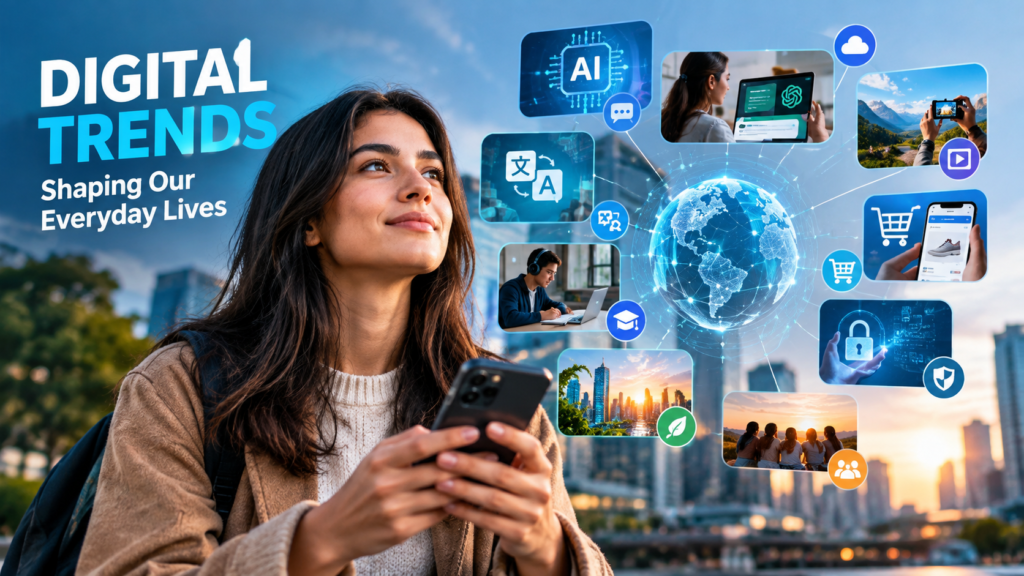
The internet is changing faster than many people realize. What once seemed like futuristic technology is quickly becoming part of everyday life. From artificial intelligence and personalized recommendations to short-form videos and smarter online shopping, digital trends are changing the way people work, communicate, learn, shop, and entertain themselves.
A few years ago, many of these technologies were still developing. Today, they are becoming normal parts of our daily digital experience. New digital trends are influencing everything from how we discover information to how businesses reach customers and how creators build online audiences.
Technology is no longer something people simply use on a computer. It is now part of smartphones, workplaces, entertainment, education, shopping, communication, and everyday decision-making. Understanding these digital trends can help us see how technology is changing our habits and shaping the future of the internet.
At FeedBuzzard, we believe that understanding digital trends is important because today’s innovations can influence what the internet looks like tomorrow.
So, where is the digital world heading?
Here are 10 digital trends shaping everyday life and the future of the internet.
1. Artificial Intelligence Is Becoming Part of Everyday Life
Artificial intelligence has moved beyond laboratories and science-fiction movies. Today, people use AI to write content, translate languages, create images, edit videos, summarize information, learn new subjects, generate ideas, and complete everyday tasks. One of the biggest changes is not simply that artificial intelligence is becoming more powerful. It is becoming easier to use. People do not necessarily need programming skills to interact with advanced AI tools. They can simply describe what they want using ordinary language and receive an answer, idea, image, plan, or explanation. This is changing the relationship between people and technology. Instead of spending hours learning complicated software, users can increasingly communicate with technology in a conversational way. AI is therefore one of the most important digital trends to watch because it is becoming part of many other technologies and online services.
2. Search Is Becoming More Conversational
For years, finding information online usually meant entering keywords into a search engine, opening several websites, and comparing different results. That behavior is changing. People increasingly want direct and useful answers instead of simply receiving a long list of links. AI assistants, conversational search, social media, video platforms, and online communities are all becoming part of the way people discover information. This does not mean traditional search is disappearing. Instead, online discovery is becoming more diverse. Someone looking for information about a product might search Google, watch a video review, ask an AI assistant, check social media, or read comments from other users. The future of search may therefore be less about where we search and more about how we ask questions.
3. Short-Form Video Is Changing Online Attention
Short-form video has become one of the most influential digital trends of recent years. A topic that once required a long article can now be introduced in a video lasting less than a minute. News, entertainment, education, product reviews, recipes, travel ideas, and technology explanations can all be presented in short visual formats. This has changed the way creators think about online content. Getting someone’s attention is only the first step. Keeping that attention requires strong storytelling, useful information, good visuals, and a clear message. Short videos are convenient, but they can also encourage people to move quickly from one piece of content to another. As a result, creators and businesses need to focus not only on producing content but also on creating content that people actually remember.
4. Creators Are Becoming Digital Businesses
The creator economy has developed far beyond people simply uploading videos or photographs for entertainment. Today, creators can build audiences across multiple platforms and develop businesses around their content. They can earn through advertising, sponsorships, memberships, subscriptions, digital products, affiliate marketing, and other opportunities. A successful creator can sometimes operate like a small media company without needing a traditional newsroom or large office. This has changed the digital publishing landscape. People with knowledge, creativity, personality, or a unique perspective can potentially build an audience of their own. However, publishing content is not enough. The real challenge is building attention, credibility, and trust. That is why successful creators are increasingly thinking like entrepreneurs as well as content producers.
5. Personalization Is Changing What We See Online
Open a streaming platform, shopping website, or social media application and you will probably see recommendations selected specifically for you. This is personalization. Online platforms increasingly use information about user behavior to predict what someone might want to watch, read, buy, or discover next. Personalization can make the internet more convenient. Instead of searching through thousands of options, users can receive recommendations that match their interests. But there is another side to this digital trend. The more technology learns about individual preferences, the more important questions about privacy and control become. How much should technology decide for us? Should users be able to understand why something was recommended? And how much personal information should companies use to create these recommendations? These questions will become increasingly important as personalization becomes more sophisticated.
6. Entertainment Is Becoming More Interactive
Technology and entertainment are becoming increasingly connected. Movies use advanced visual effects. Video games create enormous interactive environments. Music platforms recommend artists based on listening habits. AI tools allow people to experiment with images, music, stories, and videos. The traditional relationship between creator and audience is also changing. People are no longer limited to simply watching or listening to content created by someone else. Digital tools increasingly allow audiences to participate in creating their own experiences. This could make entertainment more personalized and interactive in the future. The internet may gradually become less like a collection of websites and more like a constantly changing digital environment where people watch, create, communicate, and participate at the same time.
7. Online Shopping Is Becoming Smarter
E-commerce has already transformed the way people shop. But online shopping is continuing to evolve. Recommendation systems can suggest products based on previous activity. Visual search can help users find products that look similar to something they have seen. AI tools can help consumers compare products, research options, and make purchasing decisions. This can make shopping faster and more convenient. However, it also creates greater competition between businesses. Simply putting a product online is no longer enough. Businesses need attractive presentation, useful descriptions, reliable information, customer trust, and a strong online identity. As technology continues improving, shopping could become even more personalized, visual, and conversational.
8. Digital Privacy Is Becoming More Important
Convenience is one of the biggest advantages of the internet, but many digital services depend on collecting information about users. Websites, applications, and online platforms may collect information about how people interact with their services. As personalization and artificial intelligence become more advanced, privacy is becoming an increasingly important part of digital life. People are asking questions such as:
Who has access to my information?
Why is this information being collected?
How long is it stored?
Can I control how my information is used?
These questions are no longer only relevant to technology experts.
Understanding basic digital privacy is becoming an important part of being an informed internet user.
9. The Future of Work Is Becoming More Flexible
Work has changed significantly because of digital technology. Remote work, video meetings, cloud-based software, digital collaboration, and AI-powered tools allow people to work together without always being in the same physical location. AI is also changing the workplace by helping with tasks such as research, writing, organization, analysis, and repetitive work. The future of work will probably not be completely remote or completely traditional. Instead, many organizations may continue combining offices, remote work, digital collaboration, and intelligent software. This flexibility can create new opportunities, but it also means workers need to keep learning new digital skills.
10. Adaptability May Become the Most Valuable Digital Skill
Technology will continue changing.
Today’s popular platform may not be tomorrow’s most important platform. Today’s AI tool could eventually be replaced by something more advanced. New forms of communication, entertainment, and online business will continue to appear. That makes adaptability one of the most valuable skills in the digital age. People who are willing to learn new tools, question information, experiment with technology, and understand digital trends will be better prepared for whatever comes next. But the goal should not be to chase every new trend. The real goal is to understand where technology is heading and how these changes could affect everyday life.
What Do These Digital Trends Mean for the Future?
The future of the internet probably will not arrive all at once. Instead, change will happen gradually. AI will become more integrated into everyday applications. Search will become more conversational. Content will become increasingly personalized. Entertainment will become more interactive. Online shopping will become smarter, and digital privacy will become even more important. Eventually, many of these changes may become so normal that people barely notice them. That is how technology often changes society. The biggest innovations are not always the ones that look futuristic. Sometimes they are the technologies that quietly become part of everyday life.
The FeedBuzzard Perspective
At FeedBuzzard, we see the internet as more than a collection of websites and social platforms. It is a constantly changing digital culture that influences what people watch, read, buy, create, and discuss. Understanding digital trends can help us understand not only where technology is going, but also how our own digital habits are changing. The next major trend may already be developing somewhere today. The interesting question is whether we will recognize it before it becomes mainstream. The internet is changing. And the most interesting part is that we are changing with it.
Final Thoughts
Digital technology will continue to evolve, but people will remain at the center of that change. The most useful approach is not to follow every new technology blindly. Instead, stay curious, learn how new tools work, protect your digital privacy, and think critically about the information you encounter online. The future of the internet is being built one innovation at a time. And we are already living through it.
Pingback: Digital Marketing: Strategies, Benefits & Trends