
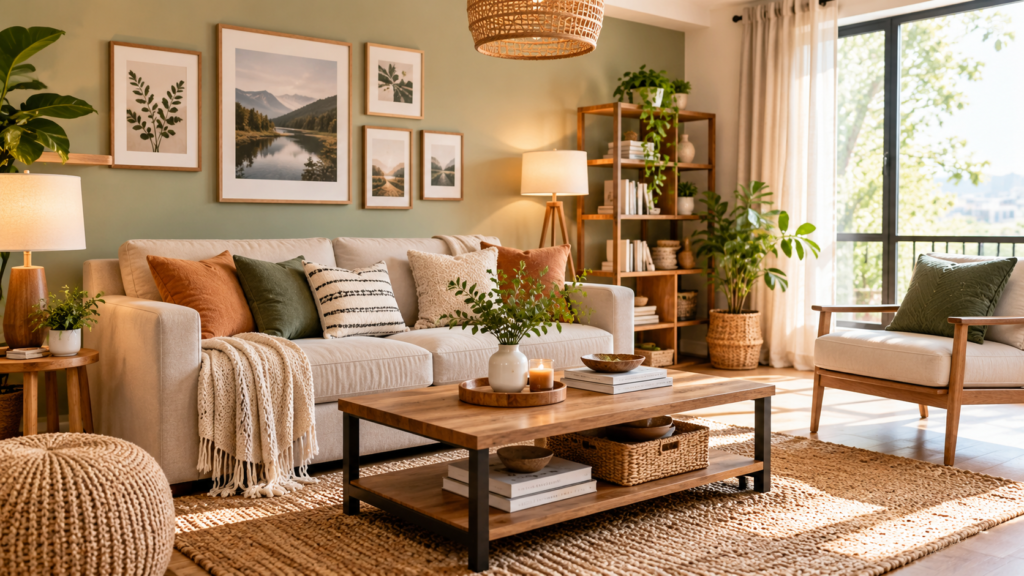
home decoration
Home Decoration Ideas to Make Every Room Beautiful and Comfortable
Home decoration is about creating a living space that reflects your personality, supports your daily routine, and makes you feel comfortable. A beautifully decorated home does not have to be expensive or filled with luxury furniture. Sometimes, small changes such as adding curtains, arranging furniture, choosing suitable colors, or introducing indoor plants can make a room feel completely different. Whether you live in a small apartment, a family house, or a spacious modern home, the right home decoration ideas can help you make better use of your space. From living room styling to bedroom accessories and kitchen organization, there are many simple ways to create an attractive and welcoming environment.
1. Choose Colors That Match Your Style
Color is one of the most important elements of home decoration. The colors on your walls, furniture, curtains, and accessories influence the overall appearance of a room. Neutral colors such as white, cream, beige, and light gray can make a space feel bright and peaceful. If you prefer a more colorful interior, consider adding shades of green, blue, terracotta, or mustard through cushions, rugs, artwork, and decorative objects. You do not need to use the same color throughout your entire home. Instead, choose a consistent color palette that connects different rooms while allowing each space to have its own character.
Helpful tip: Start with two or three main colors and add smaller accents to create a balanced look.
2. Make Your Living Room More Inviting
The living room is often where family members relax, entertain guests, and spend time together. Its decoration should balance comfort and appearance. Begin by arranging your sofa and chairs in a way that encourages conversation. Avoid placing too much furniture in one area because crowded rooms can feel smaller than they really are. Add cushions, a soft rug, a coffee table, and a few decorative accessories to make the room more welcoming. Wall art or a mirror can also create visual interest without requiring a complete renovation. If your living room is small, choose furniture with simple designs and leave enough open space for easy movement.
3. Create a Relaxing Bedroom
A bedroom should feel peaceful, comfortable, and personal. You can achieve this atmosphere through soft bedding, suitable lighting, and a simple arrangement of furniture. Choose bedsheets and pillow covers that complement your room’s color scheme. Curtains can add warmth and help control natural light, while a bedside table provides space for books, lamps, and everyday essentials. Avoid filling every empty corner with decorations. A few carefully selected items often look better than a large collection of accessories. For a relaxing appearance, consider warm bedside lighting, natural textures, and colors that make you feel comfortable.
4. Use Lighting to Change the Atmosphere
Lighting can dramatically influence how a room looks and feels. Even a well-decorated space may appear dull if the lighting is too harsh or poorly positioned. Whenever possible, make use of natural daylight by keeping windows clear and choosing curtains that suit your privacy needs. For evenings, combine different types of lighting. Ceiling lights provide general illumination, table lamps create a softer atmosphere, and floor lamps can brighten darker corners. Decorative pendant lights and wall lights can also become attractive features in a room.
Helpful tip: Choose lighting according to the purpose of each space. Kitchens and work areas need practical visibility, while bedrooms and sitting areas may benefit from softer light.
5. Decorate Walls With Artwork and Mirrors
Empty walls can make a room feel unfinished, but decorating them does not require expensive paintings or elaborate designs. You can display framed photographs, prints, handmade artwork, decorative plates, or a small collection of pictures. Choose pieces that complement the furniture and colors already present in the room. Mirrors are another useful option. When positioned thoughtfully, they can reflect natural light and create a greater sense of openness. For a balanced gallery wall, arrange your frames on the floor before hanging them. This helps you test different layouts without making unnecessary holes in the wall.
6. Bring Nature Indoors With Plants
Indoor plants can introduce color, texture, and a natural feeling into your home. They work well on windowsills, shelves, side tables, and empty corners. Choose plants according to the light and temperature conditions in your home. Some varieties grow well in bright indirect light, while others tolerate lower-light environments. If you do not have enough time to care for living plants, artificial plants can provide a similar decorative effect without regular watering. You can also use flowers, natural wood, woven baskets, and other nature-inspired materials to soften the appearance of a room.
7. Make Small Spaces Look Bigger
Decorating a small home requires thoughtful planning. The goal is to create a comfortable environment without making the available space feel crowded. Use furniture that fits the dimensions of the room. Oversized sofas, large tables, and bulky storage units can restrict movement and reduce usable space. Choose light colors if you want a brighter appearance, and use mirrors to reflect available light. Wall-mounted shelves can provide storage without taking up floor space. Multifunctional furniture is another practical choice. Storage beds, nesting tables, folding desks, and ottomans with hidden compartments can help you make the most of limited space. Keep frequently used items accessible and store less-used belongings in organized containers.
8. Choose Curtains, Rugs, and Cushions Carefully
Soft furnishings help connect the different elements of a room. Curtains, rugs, blankets, and cushions can introduce color, texture, and warmth without requiring major changes. When selecting curtains, consider window size, privacy, natural light, and the overall style of the room. Long curtains can create an elegant appearance, while lighter fabrics may help a space feel airy. Rugs can define separate areas in open-plan rooms and make seating arrangements feel more complete. Choose a size that fits the furniture rather than one that looks too small for the room. Cushions offer an easy way to experiment with patterns and colors. Mixing different textures can add interest, but keeping a consistent color palette prevents the arrangement from becoming visually overwhelming.
9. Give Your Kitchen a Fresh Look
A kitchen can be attractive and functional at the same time. You do not necessarily need new cabinets or expensive appliances to improve its appearance. Start by clearing unnecessary items from countertops and organizing frequently used utensils. Matching storage jars, simple containers, and neatly arranged shelves can make the kitchen feel more orderly. If your budget allows, consider updating cabinet handles, adding suitable under-cabinet lighting, or introducing a small decorative feature. A fruit bowl, a vase of fresh flowers, or a few useful herbs can also add color to the kitchen without taking up too much space. Always keep decorative items away from cooking hazards and areas that need to remain clean and accessible.
10. Improve Your Bathroom With Simple Details
Bathrooms are often overlooked when decorating a home, even though small improvements can make them feel cleaner and more comfortable. Choose towels that coordinate with the bathroom’s existing colors. Matching soap dispensers, practical storage baskets, and an attractive mirror can create a more organized appearance. Keep toiletries grouped together rather than scattered across the sink. Shelves or cabinets can help make better use of limited space. For bathrooms with little natural light, select suitable lighting and moisture-resistant materials. Make sure any plants you introduce can tolerate the available light and humidity.
11. Organize Your Home Without Losing Its Style
Good organization is an important part of home decoration. A room can have beautiful furniture and accessories but still look untidy when everyday items have no designated place. Use baskets, drawer dividers, shelves, and storage boxes to keep belongings organized. In living rooms, storage ottomans and cabinets can hide items that would otherwise create clutter. In bedrooms, organize wardrobes by clothing type and use containers for smaller accessories. In kitchens, group similar items together so that everything is easy to find. Try to keep surfaces clear enough to highlight your favorite decorative pieces. Organization does not mean removing all personality from a room; it means making room for the things you enjoy.
12. Explore Affordable Home Decoration Ideas
A beautiful home is possible on almost any budget when you focus on changes that make a noticeable difference. Consider rearranging existing furniture before buying anything new. Sometimes, changing the position of a sofa, bed, or dining table can improve the flow of an entire room. Other affordable options include changing cushion covers, framing personal photographs, repainting a small piece of furniture, adding inexpensive plants, or replacing outdated decorative accessories. You can also explore secondhand furniture and reuse items you already own. A wooden box can become a decorative storage piece, while an old vase may look fresh with a different arrangement of flowers. Before making purchases, decide which areas need the most attention and set a realistic budget. This helps prevent unnecessary spending on items that do not improve the overall space.
13. Add Personal Touches to Every Room
The most memorable homes are not always the most expensive. They are the spaces that reflect the people who live in them. Family photographs, travel souvenirs, favorite books, handmade crafts, and meaningful gifts can make rooms feel personal. Display these objects thoughtfully so that they complement the rest of the decoration. You can also create a small reading corner, a display shelf for collectibles, or a dedicated area for hobbies. Instead of copying every interior design trend, choose ideas that suit your lifestyle and preferences. A home should look attractive, but it should also support the way you actually live.
14. Common Home Decoration Mistakes to Avoid
Even simple decorating projects can become difficult when the basic elements are not balanced.
Here are some common mistakes to avoid:
- Buying furniture that is too large: Always measure the room and check walking space before purchasing.
- Using too many colors: Choose a coordinated palette to create a more connected appearance.
- Ignoring lighting: Consider both natural daylight and artificial lighting when planning a room.
- Adding too many accessories: Leave some open space so that important decorative pieces stand out.
- Following trends without considering comfort: Select furniture and materials that suit your daily needs.
- Forgetting storage: Include practical places for everyday belongings to prevent clutter.
- Buying everything at once: Decorate gradually so you can see what works before spending more money.
Avoiding these mistakes can help you create rooms that look attractive and remain practical over time.
15. How to Plan Your Home Decoration Project
A simple plan can make decorating easier, especially if you are working with a limited budget. Start by identifying the room you want to improve and deciding what you dislike about its current appearance. You may need more storage, better lighting, new colors, or a more comfortable furniture arrangement. Next, collect inspiration from interior design websites, magazines, and photographs. Look for ideas that fit your room’s dimensions and your personal style. Set a spending limit and prioritize essential improvements. Measure furniture and available space before ordering anything, and compare different materials and prices. Finally, make changes one step at a time. Begin with the most important improvements, then add smaller decorative details when necessary. This approach helps you avoid unnecessary purchases and gives you more control over the final result.
Final Thoughts
Home decoration is a creative way to make your surroundings more comfortable, attractive, and functional. From selecting colors and arranging furniture to improving lighting and organizing storage, even small changes can have a noticeable effect on your living space. The best decorating choices depend on your home’s size, your budget, and the way you use each room. You do not need to follow every trend or purchase expensive accessories to achieve a beautiful result. Start with a few practical improvements, choose details that reflect your personality, and gradually build a home that feels welcoming and uniquely yours.
At feedbuzzardmag, we explore practical lifestyle inspiration, creative home ideas, and useful tips to help readers make everyday living more enjoyable.