
Tech FeedBuzzard
Where Technology Meets Curiosity
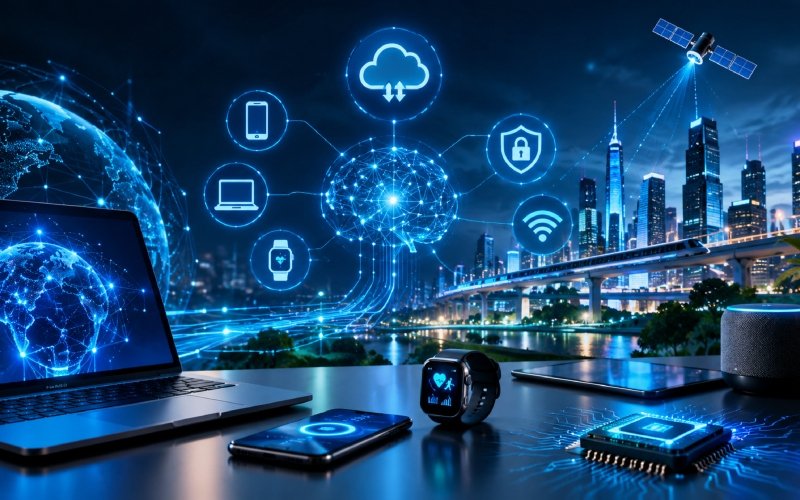
Technology is no longer something that exists only inside laboratories, research centers, or the offices of major technology companies. It is part of everyday life. From artificial intelligence and smart devices to cloud computing, cybersecurity, software, connected gadgets, and digital platforms, technology is changing how people communicate, work, learn, create, shop, and solve problems.
Tech FeedBuzzard is built around one simple idea: technology should be easier to understand.
Instead of simply reporting that something new has launched, a useful technology publication should ask deeper questions:
What is changing? Why does it matter? Who will it affect? And what could happen next?
What Is Tech FeedBuzzard?
Tech FeedBuzzard represents a technology-focused approach to discovering and understanding the digital world. Technology moves incredibly quickly. New AI systems appear, software platforms evolve, smartphones become more capable, wearable devices collect more information, and cybersecurity threats become increasingly sophisticated.
For readers, keeping up with everything can become difficult.
Tech FeedBuzzard aims to filter through that noise and focus on the information that is genuinely useful, interesting, and relevant.
The goal is not simply to publish more technology content. It is to provide context, clarity, and practical value.
Why Technology Matters More Than Ever
Technology increasingly influences almost every part of modern life.
Artificial intelligence is moving from experimentation toward practical business and consumer applications. Deloitte’s 2026 technology research describes AI as becoming operational rather than merely experimental, while Gartner identifies AI-native development, AI supercomputing, physical AI, multiagent systems, and preemptive cybersecurity among major strategic technology trends.
At the same time, cybersecurity is becoming increasingly important as organizations become more dependent on interconnected digital systems. The World Economic Forum’s 2026 cybersecurity outlook highlights AI, geopolitical fragmentation, supply-chain vulnerabilities, and widening technology gaps as major factors shaping cyber risk.
This creates an important challenge:
Technology is becoming more powerful, but understanding it is becoming more important too.
That is where Tech FeedBuzzard can provide value.
Major Technology Areas
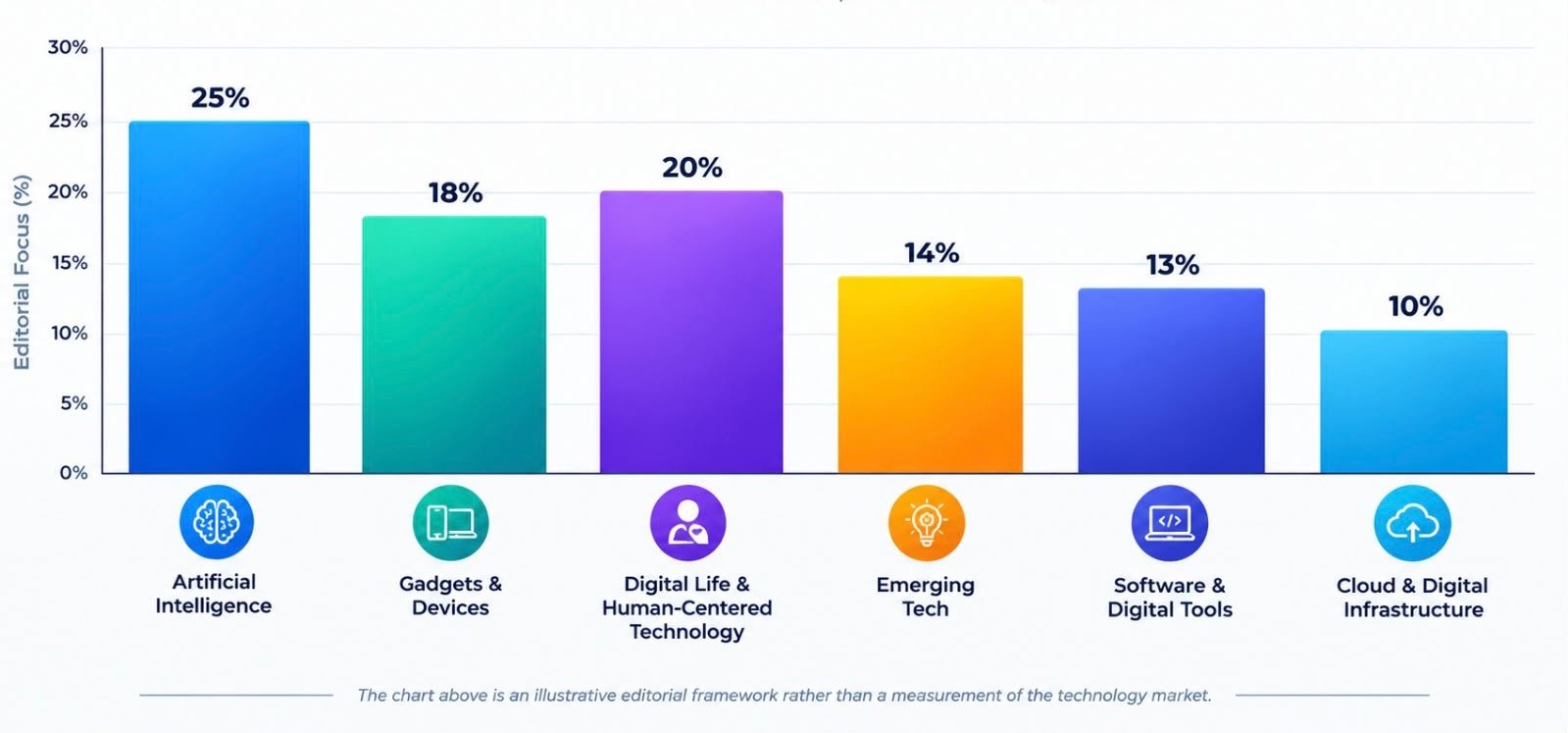
This creates several important questions:
- How should people use AI responsibly?
- Which AI tools are genuinely useful?
- How will AI change software development?
- What skills will become more valuable?
- How can businesses protect sensitive information?
- Where should humans remain in control?
Tech FeedBuzzard can explore these questions in practical language rather than overwhelming readers with unnecessary technical terminology.
Instead of simply listing processor speeds, camera megapixels, or display specifications, Tech FeedBuzzard can examine the experience behind the numbers.
3. Software and Digital Tools
Software has become the invisible engine behind modern life. From productivity applications and operating systems to design tools, coding platforms, AI applications, cloud services, and communication software, digital tools influence how people accomplish everyday tasks. The rise of AI-assisted development is also changing how software is created. Recent technology reporting notes that AI can significantly accelerate software development, while human judgment remains important for deciding what products and features should actually be built. That creates an interesting future: If technology makes building software easier, deciding what is worth building may become even more important. Tech FeedBuzzard can help readers understand these changes without requiring them to be professional developers.
4. Digital Life and Human-Centered Technology
Technology is not only about faster processors, smarter software, or more powerful artificial intelligence. It is also about how technology changes the way people live. People now use technology to communicate, learn, work, create, travel, shop, manage businesses, and entertain themselves. As digital tools become more deeply connected to everyday routines, the relationship between people and technology becomes increasingly important. This creates a different set of questions: Does technology truly make our lives easier, save valuable time, and improve our experiences, or does it simply create more digital distractions? These questions are becoming especially important as artificial intelligence and connected devices become part of everyday activities.
Technology Should Serve People
The best technology is not necessarily the technology with the most features.
A successful digital product should solve a real problem, be easy to understand, and provide value without creating unnecessary complexity.
For example, a productivity application may have hundreds of features, but if users cannot easily understand how to use it, those features may not provide much value.
This is where human-centered technology becomes important.
Instead of asking only:
“What can technology do?”
we should also ask:
“What should technology do for people?”
The Rise of Digital Convenience
Modern technology can remove friction from everyday tasks.
Cloud services allow people to access files from different devices. Smartphones combine communication, navigation, photography, entertainment, and productivity tools in a single device. AI assistants can help users search for information, generate ideas, organize tasks, and complete repetitive work. But convenience also creates expectations. People increasingly expect technology to be:
- Fast
- Simple
- Personalized
- Accessible
- Reliable
- Useful
This means companies are competing not only on technical specifications but also on user experience.
Technology and Digital Well-Being
As people spend more time connected to digital platforms, questions about attention and digital well-being are becoming increasingly relevant. Notifications, social platforms, streaming services, games, and endless feeds are designed to keep users engaged. Technology can therefore be both useful and distracting. The future of digital technology may involve finding a better balance between connection and control. Instead of technology demanding more attention from users, better technology could help people decide when and where technology deserves their attention.
What Tech FeedBuzzard Can Explore
This area gives Tech FeedBuzzard an opportunity to cover topics beyond traditional gadget and software news.
Possible articles could include:
-
- How AI is changing everyday routines
- The future of digital workplaces
- Are smart devices actually making life easier?
- How technology is changing education
- Digital well-being in an always-connected world
- Why user experience matters more than features
- How smartphones became everyday personal assistants
- The future of human-AI interaction
- Technology that saves time instead of consuming it
- How people can build a healthier relationship with technology
Technology ultimately exists for people. The most meaningful innovation is not simply technology that can do more—it is technology that helps people do more with less complexity.
6. Wearable and Connected Technology
Wearable technology is another important area. Smartwatches and fitness trackers have already become common, while smart glasses, connected health devices, and other wearable technologies continue to develop. The important question is not simply whether a device can collect more information. The bigger question is:
How should that information be used?
Privacy, accuracy, security, convenience, and user control will become increasingly important as connected devices become more capable. Tech FeedBuzzard can explore both the exciting possibilities and the questions that consumers should consider before adopting new technology.
The Future of Technology
The technology landscape is likely to become increasingly interconnected. AI will not exist separately from smartphones, software, cloud computing, robotics, cybersecurity, and wearable devices. Instead, these technologies will increasingly work together. Deloitte describes the current shift as interconnected forces involving AI, physical systems, infrastructure, organizational change, and cybersecurity. That means the next generation of technology may not be defined by one single invention. It may be defined by how different technologies work together. Imagine a future where your wearable device understands your context, your AI assistant organizes information, your smartphone acts as a secure control center, cloud infrastructure handles complex computation, and connected devices respond automatically. The individual technologies already exist in different forms. The bigger transformation comes from connecting them.
How Technology Has Changed
1990s → Early Internet
↓
2000s → Smartphones & Social Platforms
↓
2010s → Cloud & Connected Devices
↓
2020s → Generative AI & Intelligent Tools
↓
Next → AI Agents, Robotics & Connected Systems
Final Thoughts
Technology is moving faster than ever, but speed alone does not make innovation valuable. What matters is how technology changes real experiences. Tech FeedBuzzard can help readers navigate that changing landscape by covering artificial intelligence, software, gadgets, cybersecurity, digital tools, wearables, emerging technology, and the broader trends shaping the digital world. The objective is simple:
Less noise. More understanding.
Whether you are a technology enthusiast, student, creator, professional, entrepreneur, or simply someone trying to understand what is happening in the digital world, technology should not feel impossible to follow. It should feel accessible. It should feel useful. And most importantly, it should make you curious about what comes next.
That is the idea behind Tech FeedBuzzard.
Pingback: www feedbuzzard com - feedbuzzardmag.com
Pingback: FeedBuzzard: The New Era of Digital DiscoveryMeta Description
Pingback: Character AI: What It Is, Features, Uses & How It Works