
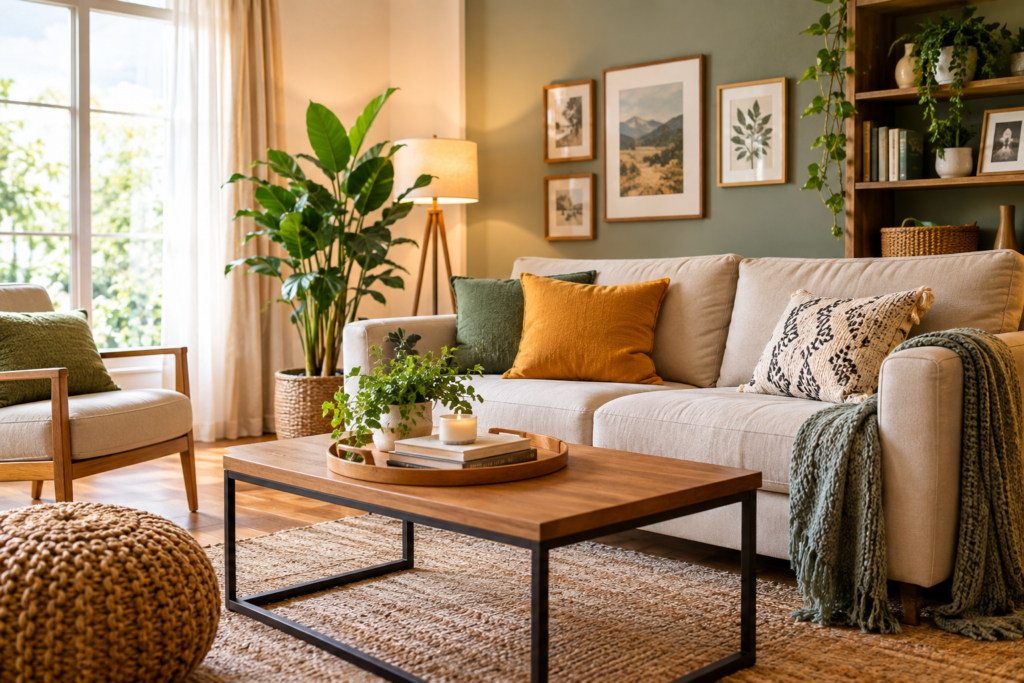
home decor ideas
Home Decor Ideas: Simple Ways to Make Your Home Beautiful, Comfortable, and Stylish
Your home is more than just a place to live. It is where you relax after a busy day, spend time with family and friends, celebrate special moments, and create memories. That is why good home decor is not simply about making a room look attractive. The right decor can make your home feel comfortable, welcoming, organized, and truly personal. The good news is that you do not need a huge budget or a complete renovation to transform your space. With thoughtful colors, furniture arrangements, lighting, artwork, plants, and decorative details, even a simple room can look completely different. Whether you are decorating a new home, refreshing one room, or simply looking for inspiration, these home decor ideas can help you create a stylish space that reflects your personality.
1. Start With a Clear Decorating Style
Before buying furniture or decorative items, decide what kind of atmosphere you want to create. Having a basic decorating style makes it easier to choose colors, furniture, textures, and accessories that work together.
Some popular styles include:
- Modern: Clean lines, simple furniture, neutral colors, and minimal decoration.
- Minimalist: Fewer objects, uncluttered spaces, and a focus on functionality.
- Bohemian: Warm colors, patterns, plants, textiles, and creative accessories.
- Traditional: Classic furniture, elegant details, rich colors, and timeless designs.
- Scandinavian: Light colors, natural materials, simple furniture, and cozy textures.
- Industrial: Metal, wood, exposed textures, and a practical urban appearance.
You do not have to follow one style perfectly. Mixing elements from different styles can create a more personal and interesting home.
2. Refresh Your Walls With Color
One of the easiest ways to change the appearance of a room is to update the walls. Paint can dramatically influence how a space feels. Soft white, beige, cream, light gray, and other neutral shades can make a room feel bright and spacious. Deeper colors can create a more dramatic and comfortable atmosphere. If you do not want to repaint the entire room, consider creating an accent wall. Choose one wall and give it a different color, texture, wallpaper design, or decorative treatment. Wallpaper can also add personality without requiring major structural changes. Floral patterns can create a traditional feel, while geometric designs can give a room a contemporary appearance.
3. Make Lighting Part of Your Decor
Lighting is often overlooked, but it can completely change the mood of a room. Instead of depending on one ceiling light, consider using several layers of lighting. Combine overhead lighting with floor lamps, table lamps, wall lights, or decorative lighting. Warm lighting can make living rooms and bedrooms feel cozy, while brighter lighting can be useful in kitchens, offices, and study areas. Decorative lamps can also function as statement pieces. A stylish floor lamp beside a sofa or an elegant table lamp on a console can add both function and visual interest.
4. Add Greenery and Indoor Plants
Plants are one of the simplest ways to make a home feel fresh and lively. They can introduce natural color and texture while adding character to otherwise plain spaces. Large plants can fill an empty corner, while small plants can be placed on shelves, tables, windowsills, or kitchen counters. If you do not have enough natural light or time to care for plants, low-maintenance varieties can be a practical choice. Even artificial plants can provide a decorative effect when selected carefully. Try using different sizes and heights rather than placing every plant at the same level.
5. Create a Comfortable Living Room
The living room is often the social center of a home, so comfort should be one of your main priorities. Start by arranging furniture so that conversation feels natural. Avoid pushing every piece of furniture against the walls simply because there is empty space in the center. A comfortable sofa can serve as the foundation of the room. Add cushions and a soft throw for extra texture and warmth. An area rug can visually connect the furniture and define the seating area. Choose a rug that is appropriately sized for the room rather than one that looks too small beneath the furniture. A coffee table, side table, bookshelf, or console can complete the arrangement while providing useful storage and display space.
6. Use Mirrors to Make Spaces Feel Larger
Mirrors are both practical and decorative. When positioned correctly, they can reflect light and make a room appear more open. A large mirror placed opposite a window can reflect natural light and brighten the space. Decorative mirrors can also become focal points above sofas, consoles, fireplaces, or bedroom dressers. For smaller rooms, consider using one large mirror instead of many small decorative pieces. A simple frame can create a clean modern appearance, while an ornate frame can provide a more traditional look.
7. Decorate With Artwork and Personal Photos
Blank walls can make a room feel unfinished. Artwork is an excellent way to introduce personality and color. You can create a gallery wall using paintings, photography, illustrations, prints, or personal photographs. The key is to create a visual connection between the pieces through similar colors, frames, or themes. You do not need expensive artwork. Affordable prints, handmade pieces, travel photographs, and family pictures can make your home feel much more personal. Remember that the goal is not simply to fill every empty wall. Leave some areas open so the room does not feel overcrowded.
8. Upgrade Your Bedroom for a Cozy Atmosphere
Your bedroom should feel peaceful and comfortable because it is primarily a place for rest. Start with bedding that feels comfortable and complements the room’s color palette. Layering pillows and blankets can create a luxurious appearance without replacing the entire bedroom. Soft bedside lighting can make the room feel warmer in the evening. Curtains can also contribute significantly to the atmosphere. Keep surfaces relatively organized. A clutter-free nightstand and neatly arranged storage can make the bedroom feel more relaxing. For a simple decorative touch, add a small plant, framed photograph, artwork, or decorative object that has personal meaning.
9. Make Your Kitchen More Stylish
Kitchen decor does not have to be complicated. Small changes can make the space feel cleaner and more attractive. Open shelves can be used to display attractive dishes, glassware, cookbooks, plants, or decorative containers. However, avoid filling every shelf because visual clutter can quickly make a kitchen feel messy. Matching storage containers can create a more organized appearance. A stylish rug or runner can introduce color and texture. You can also update cabinet handles or knobs for a relatively inexpensive transformation. Small hardware changes can give older cabinets a fresh appearance.
10. Don’t Ignore Your Entryway
The entrance creates the first impression of your home. Even a small entryway can be both functional and attractive. A narrow console table can provide a place for keys and decorative objects. A mirror above it can make the area feel larger. Add a small plant, framed artwork, bowl, or lamp depending on the available space. If your entrance is particularly small, focus on keeping it uncluttered. A simple combination of a mirror, hooks, and a small storage solution may be all you need.
11. Use Textures to Add Depth
A room can have beautiful colors and furniture but still feel flat if everything has the same texture. Introduce different materials through cushions, rugs, curtains, blankets, baskets, wood, glass, metal, and ceramics. For example, a soft fabric sofa can be paired with a wooden coffee table, woven basket, textured rug, and ceramic accessories. These different materials create visual depth without requiring dramatic colors. Texture is especially useful when decorating with neutral colors.
12. Choose Furniture That Fits the Space
One common home decor mistake is choosing furniture based only on appearance. A beautiful piece of furniture can still look wrong if it is too large or too small for the room. Measure your space before purchasing major furniture. Consider doorways, walking paths, windows, and other objects. In smaller rooms, multifunctional furniture can be especially useful. Storage ottomans, nesting tables, sofa beds, and furniture with built-in storage can help maximize available space.
13. Keep Clutter Under Control
Good decor is not only about adding things. Sometimes the best improvement comes from removing unnecessary objects. Look around each room and ask whether every item is useful, meaningful, or genuinely attractive. Use baskets, cabinets, shelves, drawers, and storage boxes to keep everyday objects organized. A clean and organized room allows decorative elements to stand out rather than compete for attention.
14. Mix Old and New Pieces
A home does not need to look like everything was purchased from the same store. Combining modern furniture with vintage objects, family heirlooms, handmade accessories, or traditional decorative pieces can give your home more character. An old wooden table can work beautifully with contemporary chairs. A modern sofa can be paired with a traditional rug or vintage artwork. These combinations often make a home feel more authentic and lived-in.
15. Decorate According to Your Personality
The most important home decor idea is to create a space that feels like yours. Trends can provide inspiration, but you do not have to follow every popular design trend. Your favorite colors, memories, hobbies, books, photographs, artwork, and objects can all become part of your home’s design. If you love travel, display photographs or souvenirs from places you have visited. If you enjoy reading, create a small reading corner with a comfortable chair and bookshelf. Your home should tell a story about the people who live there.
Final Thoughts
Creating a beautiful home does not require unlimited money, expensive furniture, or a professional interior designer. Small and thoughtful changes can make a significant difference. Start by identifying your preferred style and choosing a simple color palette. Improve lighting, introduce plants, add artwork, organize clutter, and use comfortable textiles to create warmth and personality. Most importantly, avoid decorating simply to copy someone else’s home. The best home decor ideas are those that balance beauty, comfort, functionality, and your own personality. Whether you are updating a single room or transforming your entire home, take your time and make changes gradually. A well-decorated home is not necessarily the most expensive one—it is the one that feels comfortable, welcoming, and genuinely yours.
Discover more lifestyle inspiration, trends, and useful stories on feedbuzzardmag
Frequently Asked Questions About Home Decor Ideas
1. What are some simple home decor ideas?
Some simple home decor ideas include adding indoor plants, decorative cushions, artwork, mirrors, rugs, warm lighting, and attractive storage solutions. Rearranging furniture and removing unnecessary clutter can also make a room feel completely different.
2. How can I decorate my home on a budget?
You can decorate on a budget by repainting walls, rearranging existing furniture, adding affordable cushions and throws, displaying personal photographs, using plants, and creating DIY decorations. Small changes can have a noticeable impact without requiring a major renovation.
3. What colors make a home look more elegant?
Neutral colors such as white, cream, beige, soft gray, and earthy tones can create an elegant appearance. You can add darker or brighter accent colors through furniture, artwork, cushions, rugs, or other accessories.
4. How can I make a small room look bigger?
Use light colors, mirrors, appropriate-sized furniture, good lighting, and uncluttered surfaces. Choosing furniture with multiple functions and keeping walking areas open can also make a small room feel more spacious.
5. How can I make my living room more comfortable?
Add comfortable seating, soft cushions, blankets, an appropriately sized rug, warm lighting, and a few personal decorative pieces. Arrange furniture to encourage conversation while keeping enough space for movement.
6. Are indoor plants good for home decor?
Yes. Indoor plants can add natural color, texture, and visual interest to a room. Choose plants according to the amount of natural light and maintenance you can provide.
7. How do I choose the right home decor style?
Start by considering the colors, furniture, materials, and atmosphere you naturally prefer. Look at different styles such as modern, minimalist, Scandinavian, traditional, or bohemian and select elements that match your personality and lifestyle.
8. How can I decorate my bedroom to make it cozy?
Use comfortable bedding, soft lighting, layered pillows and blankets, curtains, rugs, and calming colors. Keeping the bedroom organized and free of unnecessary clutter can also create a more relaxing environment.
9. What is the easiest way to update home decor?
Changing accessories is one of the easiest ways to refresh a room. Try replacing cushions, rugs, curtains, artwork, lamps, or decorative objects before making expensive changes to furniture or walls.
10. Should all rooms in a home have the same decor style?
Not necessarily. Different rooms can have their own personality, but using a consistent color palette, materials, or design elements can help the entire home feel connected.
Pingback: Floor & Decor: Flooring Ideas, Types & Home Design Guide